May to September
The Dry
Warm days, cool nights, low humidity, full markets and festivals, and the widest park and road access of the year. Also the busiest and priciest time to be here.

Darwin, Northern Territory
Australia's northernmost capital sits on Larrakia Country between Darwin Harbour and the Timor Sea, a tropical city of applauded sunsets, laksa queues, monsoon skies and Aboriginal art, with waterfalls, wetlands, escarpments and crocodile rivers starting one road out of town.
Where
Darwin, Northern Territory, on Larrakia Country
Seasons
Dry May to September · Build-Up · Wet December to April
Arriving
Darwin International Airport, 15 minutes from the CBD
Before you swim
Crocodile country. Check signage and Be Crocwise advice
Four scenes, one gateway
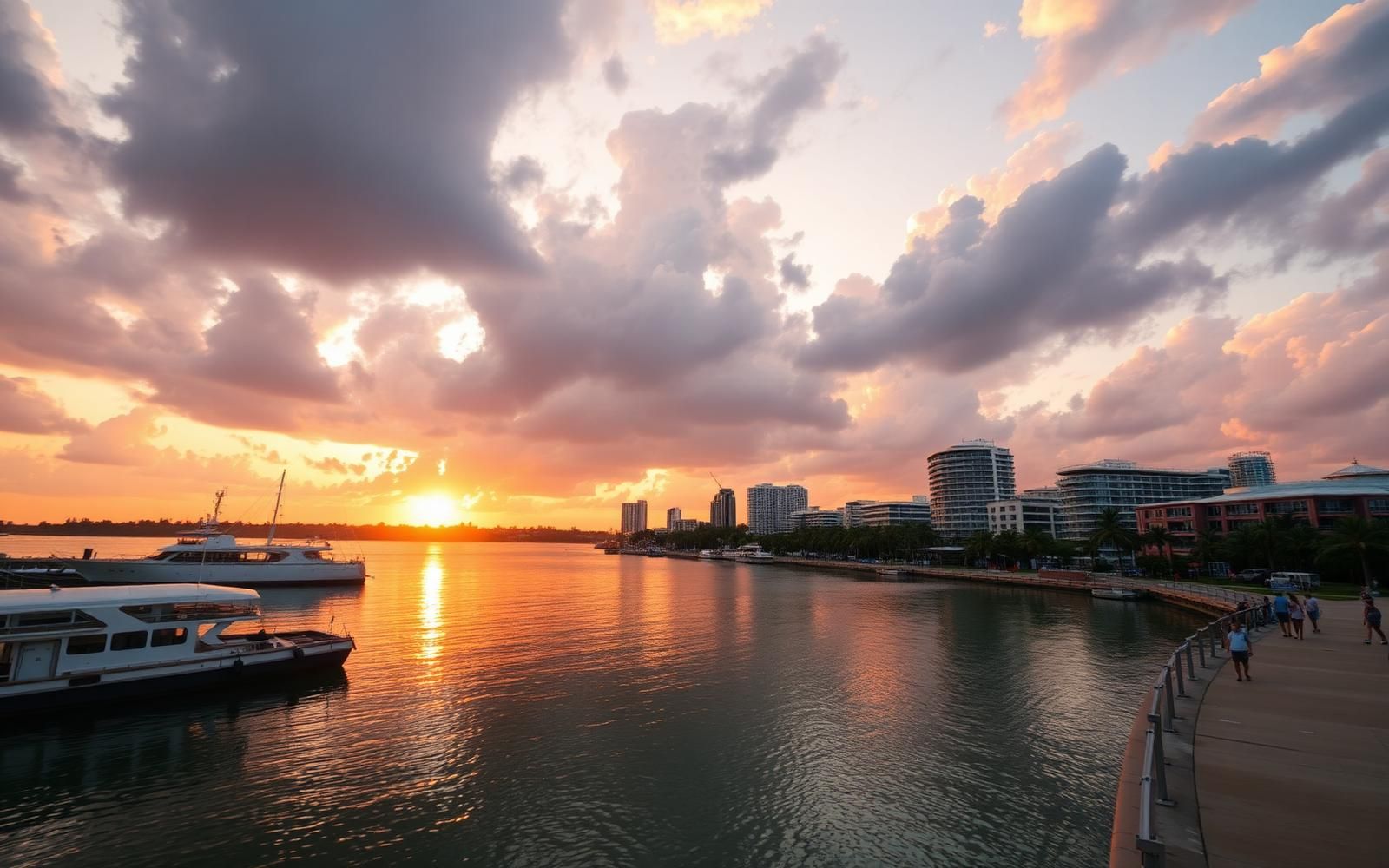
Darwin Waterfront and Stokes Hill Wharf at sunset, where the working harbour meets the city's evening ritual.

A segmented waterfall dropping into sandstone in Litchfield National Park. Check park signage before entering any water.

Mangrove coast and tidal flats on Darwin Harbour. This is Larrakia Country, cared for over tens of thousands of years.

Floodplain channels and escarpment country east of Darwin, the landscape scale that defines the Top End.
The wild north begins at the harbour
Darwin Harbour is saltwater Country, a defence port, a fishing ground and the reason the city faces west into the sunset. Tides move metres in a morning, mangrove creeks drain into mudflats, and the ferries that cross to the Tiwi Islands leave from the same water that carried trade, immigration and war.
Stand at Stokes Hill Wharf on a Dry season evening and the geography explains itself. City behind you, Cox Peninsula on the horizon, and somewhere past the heat haze the enormous wetlands and escarpments that most visitors come north to see.
Explore Darwin by area
Walkable core
Wave lagoon and wharf
Market country
Saturday mornings
Sunset and history
Coastal locals
Larrakia Country
The land and waters around Darwin are Larrakia Country. Saltwater Country, with knowledge of tides, mangroves, seasons and food sources that predates the city by tens of thousands of years. Larrakia people continue to live, work and lead cultural life here.
The most rewarding cultural experiences in Darwin are the ones led by Aboriginal organisations and guides themselves. Book with community-run operators and art centres, ask before photographing people or artwork, and follow guidance about places that are not open to visitors.
Aboriginal culture and art in DarwinFood that looks north
Darwin eats Malaysian, Thai, Indonesian, Filipino, Greek, Timorese and Vietnamese, often at a plastic table with the sun going down. Laksa for breakfast is normal here. So is buying a whole barramundi and cooking it in the yard.

Adventure starts one road out of town
Litchfield's waterfalls, Fogg Dam's birdlife, Mary River's floodplains and Kakadu's escarpments all begin from the same handful of highways leaving Darwin.
115 km · sealed access

110 km · floodplain country
250 km · World Heritage
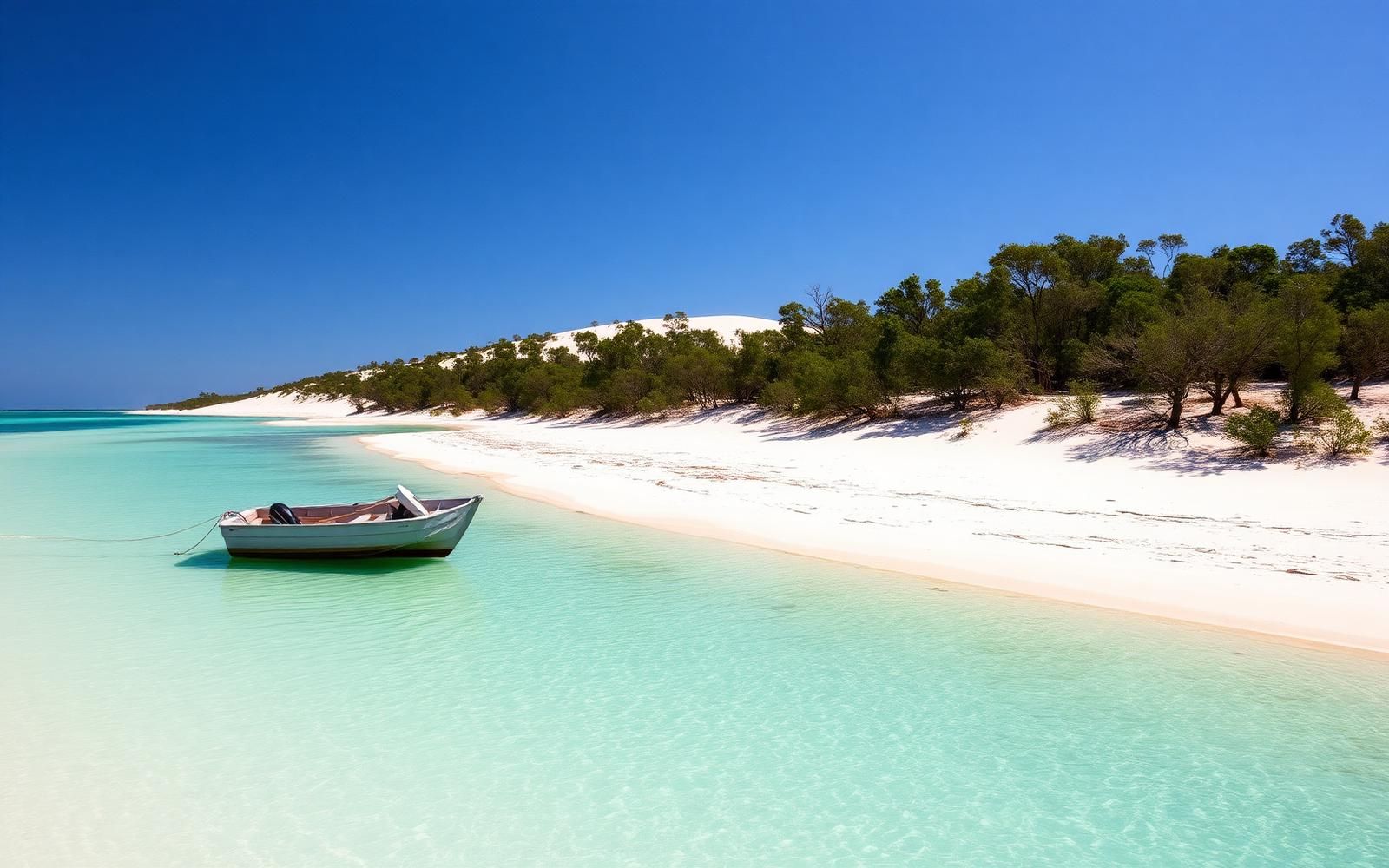
Ferry or flight · community-led

Two seasons, two cities
May to September
Warm days, cool nights, low humidity, full markets and festivals, and the widest park and road access of the year. Also the busiest and priciest time to be here.
October to December
Heat and humidity climb, cloud stacks up every afternoon, and the first storms arrive. Locals get twitchy. Photographers get very happy.
December to April
Monsoon rain, spectacular lightning, waterfalls at full volume, flooded floodplains and closed roads. Fewer visitors, greener country, more planning required.

Long roads and remote country
Alice Springs is a 15 hour drive from Darwin. Uluru is further again. The Top End is its own region, and even inside it distances stretch: Katherine three hours south, Kakadu's far corners a full day apart.
Fuel range, water, a spare tyre and current road reports matter more than a rooftop tent. Unsealed tracks and creek crossings close through the Wet and reopen on the authority's timetable, not yours.
Latest guides
Itineraries · Darwin
A tested three-day plan for the tropical capital, built around tides, heat and the hour when the whole city turns to face the sea.
· 9 min read
Day Trips · Litchfield National Park
Waterfalls, plunge pools and termite cathedrals inside two hours of the city, with the swimming rules that keep the day simple.
· 11 min read
Weather and Conditions · Top End
One Darwin, two entirely different holidays. What opens, what closes, and why the Build-Up has its own strange appeal.
· 10 min read